ByJohn A
Ivermectin 12mg Compounded Online: Understanding the Compounding Process
In today’s healthcare landscape, personalized medicine has become increasingly important. While commercially manufactured medications meet the needs of many patients, some individuals require customized formulations that better suit their unique medical circumstances. This is where compounding pharmacies play a valuable role.
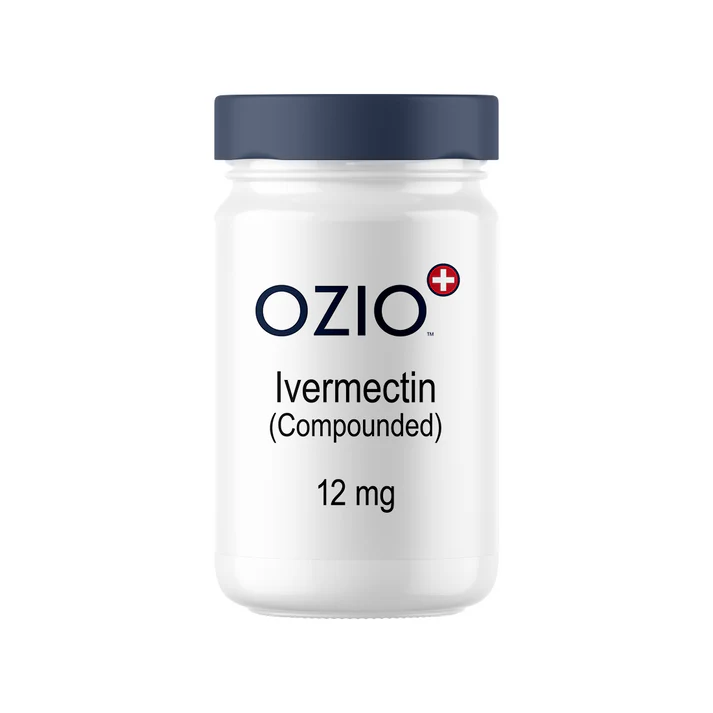
When people search for Ivermectin 12mg compounded online, they are often looking to understand how compounded medications differ from commercially available products, how the compounding process works, and what to expect when obtaining a compounded prescription from a licensed pharmacy.
This guide explains the compounding process, highlights the benefits of personalized medications, and outlines important considerations for patients seeking compounded prescriptions.
What Is a Compounded Medication?
A compounded medication is a prescription drug that is custom-prepared by a licensed pharmacist according to a healthcare provider’s specific instructions. Unlike mass-produced medications manufactured in standard strengths and dosage forms, compounded medications are created to address individual patient needs.
Compounding may involve:
- Adjusting the medication strength
- Combining ingredients when medically appropriate
- Preparing alternative dosage forms
- Removing certain inactive ingredients that may cause sensitivities
- Creating customized formulations prescribed by a healthcare professional
The goal is to provide a medication that better fits a patient’s unique treatment requirements while following applicable pharmacy regulations.
Understanding Ivermectin 12mg Compounded Online
When referring to Ivermectin 12mg compounded online, the term generally means that a licensed compounding pharmacy prepares the medication after receiving a valid prescription from an authorized healthcare provider. Patients may complete consultations remotely where legally permitted, after which the prescription is reviewed and fulfilled according to pharmacy standards.
It is important to understand that compounded medications are not simply repackaged products. Instead, pharmacists prepare each prescription individually while following established quality control procedures.
Online pharmacy services have made this process more convenient by allowing patients to:
- Submit prescriptions electronically
- Consult with healthcare providers through telehealth where appropriate
- Communicate directly with licensed pharmacists
- Receive medications through secure delivery services
Availability and regulations vary depending on the patient’s location and applicable laws.
Why Is Medication Compounded?
There are several reasons why a healthcare provider may prescribe a compounded medication instead of a commercially manufactured product.
Personalized Dosage
Some patients require medication strengths that differ from standard commercial products. Compounding allows pharmacists to prepare customized dosages when prescribed by a healthcare provider.
Alternative Formulations
Certain individuals have difficulty swallowing tablets or capsules. Depending on the prescription, pharmacists may prepare alternative dosage forms if clinically appropriate.
Allergy Considerations
Some commercially available medications contain inactive ingredients such as dyes, preservatives, fillers, or flavoring agents that certain patients may not tolerate. Compounding may allow these ingredients to be excluded when medically appropriate.
Individualized Treatment Plans
Healthcare providers sometimes require customized formulations as part of a patient’s personalized treatment approach, particularly when commercially available options do not fully meet clinical needs.
The Compounding Process Explained
Understanding the steps involved helps patients appreciate the care and precision required in preparing compounded medications.
Step 1: Medical Evaluation
The process begins with a healthcare provider evaluating the patient’s condition. If a compounded medication is appropriate, the provider issues a prescription with detailed preparation instructions.
Step 2: Prescription Review
Once received, the compounding pharmacy reviews the prescription to verify:
- Patient information
- Medication details
- Dosage requirements
- Prescriber’s instructions
- Potential interactions or concerns
Pharmacists may contact the prescriber if clarification is needed before preparation begins.
Step 3: Ingredient Selection
Licensed pharmacists use pharmaceutical-grade ingredients sourced from qualified suppliers. Each ingredient undergoes verification before use.
Quality ingredients are essential for ensuring accurate preparation and consistency throughout the compounding process.
Step 4: Precise Preparation
Compounding requires careful measurement and specialized equipment. Pharmacists follow standardized procedures to accurately prepare the prescribed formulation.
During preparation, pharmacists document every step to support quality assurance and traceability.
Step 5: Quality Control
Before dispensing, compounded medications undergo quality checks that may include:
- Visual inspection
- Weight verification
- Label accuracy
- Packaging review
- Documentation verification
These procedures help ensure the prescription has been prepared according to pharmacy standards.
Step 6: Patient Counseling and Dispensing
Patients receive instructions regarding:
- Proper dosage
- Storage recommendations
- Administration guidance
- Expiration or beyond-use dates
- Questions to discuss with their healthcare provider
Many online compounding pharmacies also provide pharmacist consultations to answer medication-related questions.
Benefits of Using Licensed Online Compounding Pharmacies
Online pharmacy services have improved accessibility for many patients who require customized medications.
Some advantages include:
Convenience
Patients can often submit prescriptions electronically and receive medications without visiting multiple healthcare facilities.
Professional Pharmacist Support
Licensed compounding pharmacies typically provide access to pharmacists who can explain medication preparation, storage, and usage instructions.
Customized Care
Compounded prescriptions are prepared specifically for each individual rather than being selected from standard inventory.
Prescription Management
Many pharmacies offer refill reminders, prescription tracking, and ongoing communication with healthcare providers when needed.
Safety Considerations
Patients considering compounded medications should prioritize safety throughout the process.
Important recommendations include:
- Use only licensed pharmacies that comply with applicable regulations.
- Ensure a valid prescription has been issued by a qualified healthcare provider.
- Follow dosage instructions exactly as prescribed.
- Inform your healthcare provider about all medications and supplements you currently take.
- Never adjust the dosage without medical guidance.
- Store medications according to the pharmacy’s instructions.
- Report any unexpected side effects promptly.
Compounded medications should only be used under appropriate medical supervision.
Choosing a Reputable Online Compounding Pharmacy
Not all online pharmacies provide the same level of service or quality assurance. Patients should carefully evaluate potential providers.
Consider the following:
- Pharmacy licensing and accreditation
- Licensed pharmacist availability
- Clear contact information
- Secure prescription submission process
- Transparent privacy policies
- Professional customer support
- Compliance with applicable pharmacy regulations
Avoid purchasing medications from websites that do not require a prescription or make unrealistic treatment claims.
Conclusion
Understanding the compounding process helps patients make informed decisions about personalized medications. Ivermectin 12mg compounded online refers to a customized prescription prepared by a licensed compounding pharmacy according to a healthcare provider’s specific instructions. From prescription review and pharmaceutical-grade ingredient selection to careful preparation and quality control, each step is designed to support individualized patient care.
If your healthcare provider recommends a compounded medication, choose a reputable licensed compounding pharmacy, ask questions about the preparation process, and follow all medical guidance carefully. Personalized compounding services can offer valuable treatment options when standard commercial formulations do not meet a patient’s specific needs.