
ByJohn A
How In-Home Tutoring Creates Better Study Habits in Children
One of the most overlooked advantages of one-on-one academic support is its ability to shape how children think about studying itself. It is easy to focus on grades and test scores as the primary measure of success, but experienced educators know that the habits a child develops early — how they approach difficult problems, how they manage their time, how they respond to frustration — matter far more in the long run.
Consistency Builds Routine
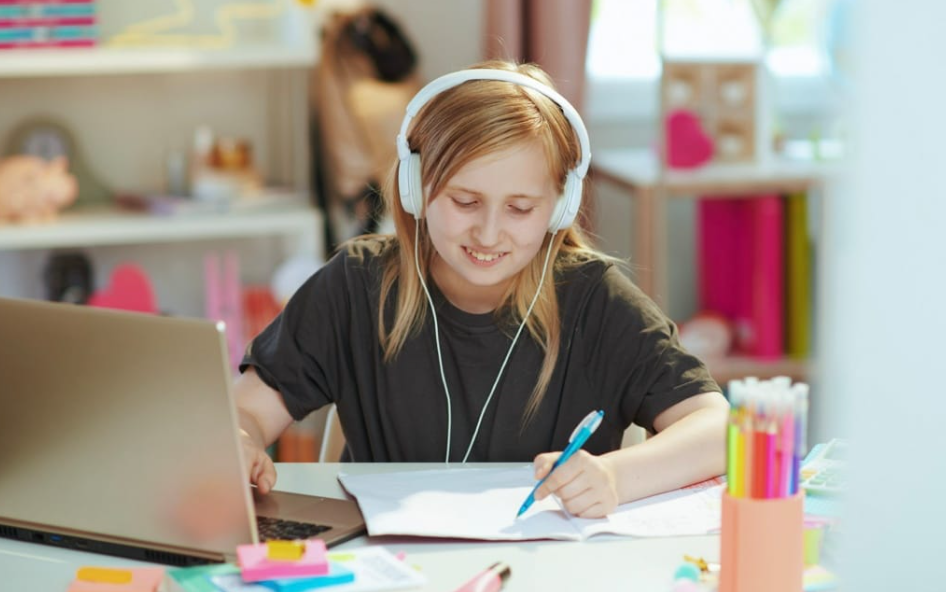
The benefits of in-home tutoring extend well beyond what happens during the session itself. When a tutor visits at the same time each week, children naturally begin to anticipate that time as a designated period for focused academic work. Over several weeks, this predictability starts to reshape how the child approaches homework and independent study on the other days as well.
Routine is one of the most powerful tools available to parents trying to build academic discipline. A regular tutoring schedule provides an anchor around which other study habits can form. Children begin to understand that academic effort is a consistent, ongoing commitment — not something that only happens when there’s a test coming up.
See also: How Businesses Build Composable Solutions
Tutors Teach Learning Strategies, Not Just Content
A skilled in-home tutor does not simply explain math problems or correct grammar. They model how to approach a difficult question. They show students how to break a complex problem into smaller, manageable steps. They introduce techniques like active reading, concept mapping, and self-quizzing that transform passive review into genuine understanding.
These metacognitive skills — the ability to think about how you’re thinking — are rarely taught explicitly in classrooms because teachers have too many students and too little time. An in-home tutor can dedicate significant attention to them, and students who acquire these strategies early carry a distinct academic advantage throughout their school careers and beyond.
Accountability Without Pressure
There is a difference between accountability and pressure. Classroom teachers, through no fault of their own, often inadvertently create pressure because performance in front of peers carries social consequences. A child who answers incorrectly in class may face embarrassment, which can discourage future participation.
An in-home tutor creates accountability without those social stakes. When a student knows someone will be checking on their progress privately, they are far more likely to complete their practice work and prepare for sessions. This form of accountability feels supportive rather than evaluative, and it encourages the kind of consistent effort that builds real competence over time.
A Foundation for Independent Learning
Ultimately, the goal of any quality tutoring program is to make itself unnecessary. A student who has internalized strong study habits, learned effective strategies, and developed genuine confidence in their abilities will eventually need less and less outside support. In-home tutoring, done well, plants the seeds of independent learning — the most valuable academic gift a child can receive.
