ByJohn A
Transform Your Bathroom with Shower Remodeling in Houston
A shower is one of the most frequently used features in a bathroom. Over time, an outdated enclosure, damaged tile, poor drainage, difficult-to-clean surfaces, or limited accessibility can reduce comfort and convenience. Shower remodeling offers an opportunity to improve the appearance, functionality, and maintenance of your bathroom.
For homeowners considering shower remodeling in Houston, the right design should account for the bathroom’s dimensions, plumbing configuration, material preferences, and exposure to humidity. A successful project combines attractive finishes with proper waterproofing, reliable drainage, and careful installation.
HL Remodeling is a brand homeowners can consider when exploring bathroom renovation possibilities. Understanding the available shower designs, remodeling process, and important installation requirements can help you plan an upgrade that suits your home.
What Is Shower Remodeling?
Shower remodeling involves replacing, updating, or redesigning some or all of an existing shower area.
A simple renovation may involve replacing shower fixtures or updating the enclosure. A more extensive project may include removing old tile, installing a new waterproofing system, replacing the shower base, changing the drain location, or converting a bathtub into a shower.
The appropriate scope depends on the shower’s current condition and your renovation goals.
Common shower remodeling improvements include:
- Installing a walk-in shower
- Replacing an outdated shower enclosure
- Updating shower walls and flooring
- Installing new showerheads and controls
- Adding built-in niches and shelves
- Replacing shower doors
- Improving lighting and ventilation
- Making the shower more accessible
Before choosing a design, determine whether you primarily need cosmetic improvements or whether the existing shower has underlying problems that require more extensive work.
Benefits of Shower Remodeling in Houston
1. Create a Modern Bathroom Appearance
An outdated shower can affect the appearance of the entire bathroom. Worn finishes, old fixtures, stained grout, and bulky enclosures may make the room feel less inviting.
Replacing these elements with coordinated materials can create a cleaner, more contemporary look.
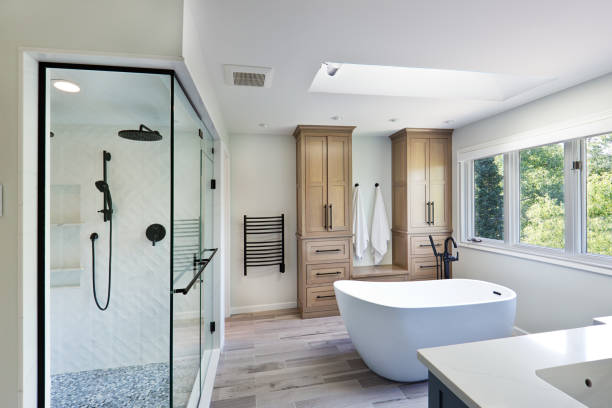
Large-format tiles, clear glass panels, understated hardware, and neutral colors are popular options. However, the best combination depends on the bathroom’s size, lighting, and overall design.
A consistent palette can help the shower feel integrated with the vanity, flooring, and other bathroom features.
2. Improve Everyday Convenience
The shower should support your daily routine rather than make it more complicated.
Remodeling can introduce better storage, easier-to-operate controls, improved water distribution, and a more convenient entry arrangement.
Built-in niches can keep shampoo and other products organized without requiring bulky accessories. A handheld showerhead may provide additional flexibility for cleaning and personal care.
Before finalizing the design, think about how different household members use the shower and what changes would make the experience more comfortable.
3. Address Water Damage and Leaks
Moisture problems should be treated seriously during a shower renovation.
Damaged grout, failing sealant, poorly installed transitions, or plumbing leaks can allow water to affect surrounding materials. Visible staining or loose tiles may indicate a problem, although the underlying cause should be assessed rather than assumed.
A proper renovation should address damaged components and include a suitable waterproofing system beneath the finished surfaces.
Simply installing new tile over a failing shower system may conceal the problem without resolving it.
4. Simplify Cleaning and Maintenance
Some shower materials require more maintenance than others.
For example, smaller tiles generally create more grout joints, while large-format tiles may reduce the amount of grout in the finished installation. Manufactured shower wall panels can offer a different maintenance profile from tiled surfaces.
Glass doors, metal finishes, and natural stone may also require specific cleaning routines.
When selecting materials, ask how often they need sealing, which cleaning products are suitable, and how to prevent mineral deposits and soap residue.
5. Improve Accessibility
A shower renovation can make bathing more convenient for older adults, people with mobility limitations, and households planning for long-term accessibility.
Potential features include a low-threshold entry, a handheld showerhead, strategically placed grab bars, slip-resistant flooring, and a properly installed shower seat.
A low-threshold or curbless shower may require additional planning because floor height, drainage, waterproofing, and structural conditions affect feasibility.
Accessibility features should be selected according to the users’ needs and installed with appropriate structural support.
Popular Shower Designs for Houston Homes
Walk-In Showers
Walk-in showers provide an open, streamlined appearance. Depending on the layout, they may use glass panels or doors to separate the shower from the rest of the bathroom.
They can make the room feel less crowded, especially when the enclosure is designed to maintain clear sightlines.
However, adequate space, effective drainage, and proper water containment are essential. A walk-in design should be planned around the bathroom’s actual dimensions rather than selected on appearance alone.
Frameless Glass Showers
Frameless glass enclosures use glass panels and relatively minimal visible framing hardware.
They are popular in contemporary bathrooms because they allow tilework and other finishes to remain visible.
The glass must be appropriately specified, supported, and installed. Door clearances, hardware placement, cleaning requirements, and water containment should be reviewed before construction.
Tub-to-Shower Conversions
A tub-to-shower conversion replaces an existing bathtub with a shower arrangement.
This can be useful for households that prefer showering or need a more accessible bathing area. It may also create opportunities for additional storage or a more open layout.
However, removing the only bathtub in a home can affect its appeal to some future buyers. Consider your household’s needs and long-term plans before making the change.
The conversion may also involve drain modifications, wall repairs, waterproofing, and adjustments to surrounding finishes.
Tiled Showers
Tile provides extensive design flexibility. Homeowners can choose different colors, sizes, textures, and patterns to create a distinctive appearance.
Porcelain and ceramic tiles are common options, while natural stone may offer a more varied, organic look.
The performance of a tiled shower depends on more than the tile itself. Substrate preparation, waterproofing, drainage, grout selection, and installation quality are essential.
Ask your remodeling professional to explain the complete shower assembly rather than focusing exclusively on the visible finish.
Choosing the Right Shower Materials
Material selection influences the shower’s appearance, maintenance, durability, and cost.
Porcelain and Ceramic Tile
Porcelain and ceramic tiles offer a wide range of colors and patterns. Their suitability depends on the specific product, including its water absorption, slip resistance, and intended application.
For shower floors, pay particular attention to the product’s suitability for wet conditions and the installation’s ability to drain effectively.
Natural Stone
Natural stone can create a distinctive appearance, but it may require sealing and specialized cleaning.
Some stones are more sensitive to acidic products, staining, or prolonged moisture exposure than others. Ask for care instructions before selecting a particular material.
Shower Wall Panels
Manufactured wall panels may provide a relatively seamless appearance and fewer grout joints than traditional tile.
Available products differ in composition, thickness, installation method, and maintenance requirements.
Confirm that the chosen panels are designed for shower use and compatible with the specified waterproofing system.
Glass Enclosures
Glass can help preserve visual openness and showcase the shower’s interior.
Consider the enclosure’s dimensions, door swing, hardware finish, cleaning needs, and compatibility with the surrounding walls and floor.
The installer should confirm the required safety glazing and appropriate support arrangements.
See also: How Businesses Build Composable Solutions
Why Waterproofing Matters
Waterproofing is one of the most important parts of shower remodeling.
The finished tile or wall panel is not necessarily the primary waterproofing layer. Water can travel through grout joints, seams, and other transitions if the assembly is not properly designed and installed.
A suitable system may include a waterproof membrane, compatible drain connections, sealed transitions, and appropriate treatment around penetrations.
The exact method depends on the selected shower system and applicable installation requirements.
Before work begins, ask the contractor which waterproofing method will be used and how it will be integrated with the shower base, walls, drain, and surrounding surfaces.
If damage is discovered during demolition, the affected materials should be assessed and repaired before the new shower is installed.
Understanding Shower Remodeling Costs in Houston
The cost of shower remodeling in Houston depends on the size of the shower, the condition of the existing installation, material choices, and the amount of construction required.
A straightforward fixture replacement generally costs less than a complete renovation involving demolition, plumbing changes, new tile, custom glass, and structural repairs.
Common cost factors include:
- Demolition and debris removal
- Waterproofing and shower base installation
- Wall and floor materials
- Glass enclosure and hardware
- Plumbing fixtures and controls
- Drainage modifications
- Labor and specialist trades
- Permits, when required
- Repairs to concealed water damage
Custom designs, specialty materials, and complicated layouts may increase the total cost.
Request a detailed estimate that separates major components and identifies exclusions. Establish a contingency reserve for concealed damage or other unexpected conditions.
The Shower Remodeling Process
Understanding the typical project sequence can help you prepare for construction.
Step 1: Consultation and Planning
Identify your priorities, preferred design, budget, and accessibility requirements. Measure the existing area and determine whether the layout should remain unchanged.
Step 2: Material Selection
Choose the shower base, wall materials, fixtures, enclosure, hardware, and storage features. Confirm dimensions and compatibility before ordering.
Step 3: Demolition and Inspection
Existing finishes are removed as needed. The underlying structure, plumbing, and surrounding materials can then be inspected for damage or other problems.
Step 4: Repairs and Waterproofing
Necessary repairs are completed, followed by installation of the planned shower base, drainage components, and waterproofing system.
Step 5: Surface and Fixture Installation
The selected wall finishes, flooring, fixtures, and enclosure are installed according to the product requirements.
Step 6: Testing and Final Review
The completed shower should be checked for drainage, leaks, fixture operation, and installation quality. Review the work with the contractor and request care instructions and applicable warranty information.
The actual schedule varies depending on the project’s complexity and material availability.
Houston’s Climate and Shower Maintenance
Houston’s humid climate makes moisture management especially important.
Use the bathroom exhaust fan during and after showering, following the manufacturer’s guidance. Wipe down surfaces when practical, inspect sealant and grout periodically, and address plumbing leaks promptly.
Keep shower drains clear of hair and debris to support proper drainage. Follow the cleaning instructions for the selected tile, stone, glass, and metal finishes.
Routine maintenance cannot compensate for a defective waterproofing system, but it can help keep a properly installed shower in good condition.
Choosing a Shower Remodeling Company
Look for a contractor with relevant bathroom renovation experience and a clear explanation of the proposed work.
Ask about waterproofing methods, plumbing coordination, applicable permits, project scheduling, and the handling of unexpected damage. Verify licensing and insurance requirements for your location.
A written agreement should identify the materials, installation scope, payment schedule, anticipated timeline, and procedures for approving changes.
HL Remodeling can be included in your research as you explore shower remodeling options. When discussing your project, explain your design preferences, current shower problems, and budget. Ask for a clear proposal so you can evaluate the scope and expected results.
Conclusion
Shower remodeling in Houston can improve bathroom appearance, convenience, accessibility, and maintenance. Whether you prefer a modern walk-in shower, a tiled enclosure, a frameless glass design, or a tub-to-shower conversion, the right solution should fit your space and household needs.
Prioritize waterproofing, drainage, suitable materials, and quality installation. Compare detailed estimates, understand the construction process, and choose a design that balances appearance with long-term practicality.
If you are considering a shower upgrade, explore your options with HL Remodeling. A clear plan, appropriate materials, and careful attention to installation requirements can help you move toward a bathroom that is more comfortable, functional, and attractive.