ByJohn A
Comprehensive Fire and Life Safety Solutions for Safer Properties
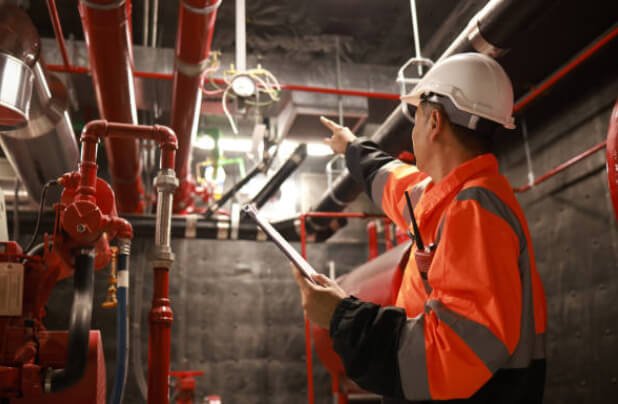
Protecting people inside a building requires more than responding to emergencies after they happen. Effective safety planning combines prevention, detection, preparedness, maintenance, and appropriate emergency systems. For this reason, comprehensive fire and life safety services are an essential part of responsible property management.
Residential and commercial buildings have different safety requirements, but the objective is the same: help protect occupants and provide appropriate measures for responding to emergencies.
Facility Network provides professional facility services that can support property owners and managers with fire, life safety, maintenance, security, and other building requirements.
What Are Fire and Life Safety Solutions?
Fire and life safety solutions encompass systems, services, procedures, and maintenance practices designed to protect people and property during emergencies.
Depending on the building, these solutions can involve:
- Fire safety equipment
- Emergency systems
- Safety inspections
- Fire protection maintenance
- Emergency preparedness
- Exit and access considerations
- Building safety improvements
Requirements vary according to property type, occupancy, building design, and applicable regulations.
Why Fire Safety Is Important
A fire can develop quickly and create serious risks. Early detection and appropriate emergency response can provide valuable time for occupants to evacuate and for emergency responders to act.
Property owners should therefore take fire safety seriously throughout the life of a building.
Fire safety is not a one-time installation. Equipment and systems require appropriate inspection, testing, maintenance, and professional attention.
Fire Safety in Commercial Buildings
Commercial buildings can contain large numbers of employees, customers, visitors, equipment, and materials.
The complexity of these properties makes systematic safety planning particularly important.
Offices, retail stores, warehouses, apartment buildings, and industrial facilities can have different risks and requirements.
A professional assessment can help property managers understand the safety services and maintenance activities relevant to their facility.
Residential Fire and Life Safety
Homes and residential properties also need effective fire safety measures.
Residents should understand emergency exits, evacuation procedures, and the location of relevant safety equipment.
In multi-unit properties, building managers have additional responsibilities involving common areas, shared systems, emergency access, and resident communication.
Regular attention to safety systems can help identify issues before an emergency occurs.
Importance of Regular Inspections
Fire and life safety equipment should not simply be installed and forgotten.
Regular inspection and maintenance can help identify:
- Damaged equipment
- Expired components
- System faults
- Blocked access
- Other potential safety concerns
Professional inspection schedules should be established according to the equipment, property, and applicable requirements.
Emergency Preparedness
Fire safety also involves preparedness.
A building should have clear procedures for emergencies. Occupants need to understand how to respond and where to go if evacuation becomes necessary.
Businesses may benefit from documenting emergency procedures and communicating them to employees.
Training and preparedness can reduce confusion during an emergency.
Keeping Emergency Routes Accessible
Emergency exits and pathways must be treated as critical building components.
Blocked exits, improperly stored materials, or damaged doors can interfere with evacuation.
Property managers should regularly monitor emergency routes and address obstructions or maintenance issues promptly.
Door hardware should also be maintained so that required exits function as intended.
Integrating Fire Safety With Facility Management
Fire and life safety should not be managed separately from general facility maintenance.
Building conditions can influence safety. Damaged doors, faulty hardware, poor maintenance, or blocked pathways may create additional concerns.
An integrated facility management approach allows property owners to consider safety alongside maintenance, security, and building operations.
Facility Network can help coordinate these related requirements as part of a broader property service strategy.
Fire Safety and Door Systems
Doors play an important role in building safety.
Depending on the building and applicable requirements, certain doors may need specific fire-rated characteristics, closers, hardware, or maintenance.
Doors that do not close properly or have damaged hardware should be evaluated promptly.
Professional facility and door services can help property managers maintain these critical components.
The Role of Property Managers
Property managers have an important role in maintaining safe environments.
Their responsibilities can include scheduling inspections, coordinating repairs, maintaining records, communicating safety procedures, and ensuring building issues are addressed appropriately.
Working with experienced service providers can make these responsibilities easier to organize.
See also: Currency Exchange Guide: Getting the Best Rates for Thai Baht in Phuket
Choosing a Fire and Life Safety Provider
When selecting a provider for Comprehensive Fire and Life Safety Solutions, property owners should consider experience, professionalism, service capabilities, responsiveness, and familiarity with applicable requirements.
It is also helpful to select a provider that understands broader facility management.
Fire safety does not exist in isolation. It interacts with building maintenance, doors, access, emergency procedures, and property operations.
Facility Network provides a coordinated approach that can help property owners manage multiple facility requirements through one professional service relationship.
Creating a Long-Term Safety Strategy
A strong fire and life safety strategy should be ongoing.
Property owners can establish a cycle of:
- Assessing the building
- Identifying potential concerns
- Scheduling appropriate services
- Completing necessary maintenance
- Documenting work
- Reviewing safety procedures
- Reassessing the property periodically
This approach encourages continuous improvement instead of waiting for an emergency to expose a problem.
Conclusion
Fire and life safety are fundamental responsibilities for every property owner and manager. Effective safety management requires more than emergency equipment. It involves regular inspections, maintenance, preparedness, appropriate building systems, and attention to potential risks.
Comprehensive Fire and Life Safety Solutions provide a structured approach to protecting people and property while supporting responsible building management.
With Facility Network as a professional facility service partner, residential and commercial property owners can coordinate fire and life safety requirements alongside maintenance, security, door services, and other building needs. A proactive approach can help create safer, better-maintained properties for occupants, employees, customers, and visitors.